The Ultimate Guide to Inspection Camera With Screen in the UK
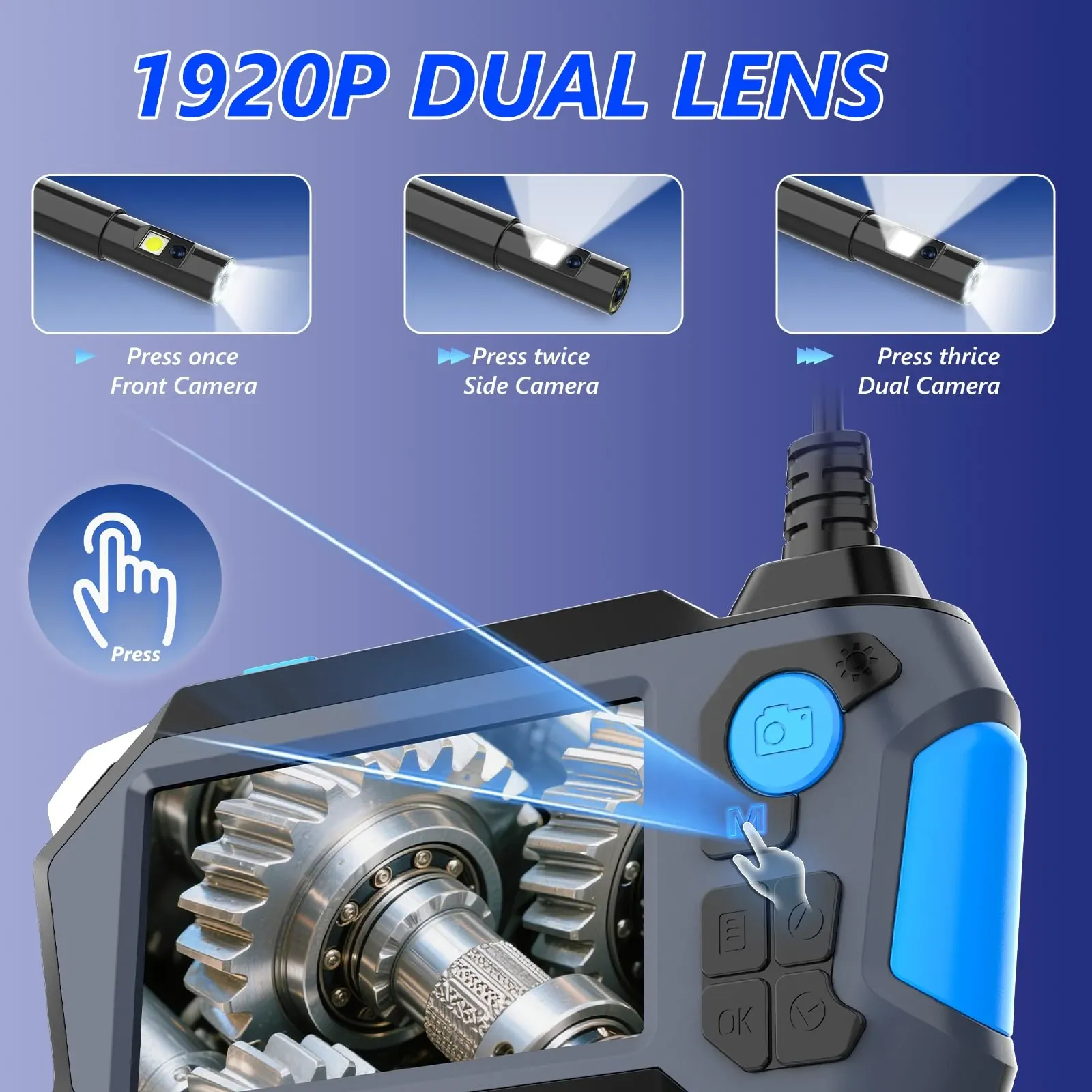
If you are searching for an inspection camera with screen, the best option is usually a self-contained unit with its own display, built-in lighting and a flexible probe, because it lets you inspect tight spaces quickly without relying on a mobile app, signal strength or separate devices. For UK tradespeople, mechanics and maintenance teams, this means faster checks, clearer images and fewer delays on site.
TL;DR: An inspection camera with screen is a handheld visual inspection tool with a built-in display, designed to help you see inside engines, pipes, cavities and machinery without dismantling everything first. Based on our testing, models with a bright IPS screen, adjustable LED lights, practical probe length and simple controls are usually the most reliable choice for UK automotive, plumbing, drainage and facilities work.
What is an inspection camera with screen?
An inspection camera with screen is a portable camera system that combines three core parts in one device: a camera probe, a flexible cable and an integrated display. In practice, you feed the probe into an area you cannot easily see by eye, such as behind wall cavities, inside drain runs, around engine components or within industrial equipment, and then view the live image directly on the screen.
Unlike app-based borescopes that depend on your phone or tablet, an inspection camera with screen works as a dedicated tool. As a result, it is often easier to use on busy jobs where speed and reliability matter more than extra setup steps. For many UK users, that “pick it up and inspect” approach is the main reason to choose a built-in screen model.
ScopeView focuses on this practical format because it suits real working conditions: no app pairing issues, no incoming call interruptions and no need to hand over your personal phone to complete an inspection.
Why choose an inspection camera with screen instead of an app-based model?
Many buyers ask whether they really need a built-in display when lower-cost app-connected cameras are widely available. However, for straightforward inspections in garages, plant rooms, lofts, voids and service spaces, a dedicated screen usually makes the job simpler.
Is a built-in screen better than using your phone?
In many cases, yes. Based on our testing, a dedicated inspection camera with screen tends to be more dependable in messy or awkward environments because it removes common points of failure such as app crashes, Wi-Fi dropouts or permission settings on mobile devices.
A built-in display can also be easier to read in work gloves or when your hands are oily, wet or dusty. Moreover, if more than one person needs to view the image during diagnosis, holding up one tool is often more convenient than passing round a mobile phone.
Why do professionals prefer self-contained inspection cameras?
Professionals often choose self-contained units because they save time. There is no need to connect accessories before each job, and there is less risk of compatibility problems after phone software updates. Consequently, inspections feel more consistent from one task to the next.
This matters in sectors where downtime has real cost implications. According to UK Health and Safety Executive guidance on maintenance planning and safe access to equipment, inspections should be carried out efficiently and safely using suitable equipment for the task. A purpose-built inspection camera supports that aim better than improvised setups.
What features should you look for in an inspection camera with screen?
If you want an inspection camera with screen that performs well day to day, focus on features that improve visibility, control and durability rather than headline claims alone.
How important is screen quality?
Screen quality matters more than many buyers expect. A poor display can make even a decent camera feed hard to interpret. Therefore, look for:
- IPS display technology for better viewing angles
- A practical screen size, large enough to review detail comfortably
- Sufficient brightness for workshops and outdoor work
- Crisp resolution so faults are easier to identify
A 4.5-inch IPS display is often a strong balance between portability and readability. In addition, clearer screens reduce eye strain during longer inspections.
What probe size is best for tight spaces?
The right probe diameter depends on where you work. A slimmer probe helps when inspecting narrow cavities or intricate mechanical assemblies. On the other hand, slightly larger probes can sometimes offer better durability or image quality.
For general trade use in the UK, many users want a probe slim enough for engine bays, pipework checks and behind-fittings access while still being robust enough for regular handling.
Do LED lights make a difference?
Yes. Most inspections take place in dark areas where ambient light is poor or non-existent. Adjustable LED illumination lets you adapt quickly whether you are looking at reflective metal surfaces or deep cavities filled with dust or residue.
Too much light can cause glare; too little can hide surface damage. Therefore, adjustable brightness is especially useful when moving between plumbing inspections, vehicle diagnostics and building maintenance tasks.
Should you choose an articulating inspection camera?
If you need to look around corners or behind components without dismantling them fully, articulation can be extremely useful. A 720° dual-lens inspection camera with 4.5" IPS screen gives greater viewing flexibility because it helps users inspect multiple angles from confined positions.
This can be particularly valuable when checking around valves, turbo pipework, internal cavities or machine housings where direct line of sight is limited.
What is the best inspection camera with screen for UK automotive work?
An automotive user usually needs clear imaging, quick setup and enough manoeuvrability to navigate engine bays and hidden mechanical spaces. Therefore, the best inspection camera with screen for garage use is one that starts quickly, offers stable live viewing and withstands repeated workshop handling.
Based on our testing, mechanics often benefit most from:
- A bright integrated display visible under workshop lighting
- A flexible but controlled probe
- A compact head suitable for narrow access points
- Good battery life across several jobs
- User-friendly capture controls for recording findings
This type of tool can help check around EGR systems, intake paths, wiring runs, inaccessible fixings and hidden signs of leaks or wear before major strip-down begins. As a result, technicians can make faster decisions about next steps.
For readers focused specifically on vehicle diagnostics, see our guide to automotive borescopes.
Can an inspection camera with screen be used for plumbing and drains?
Yes. An inspection camera with screen can be very useful for preliminary checks in plumbing and drainage work where visibility is limited but full-scale drain surveying equipment may not be necessary.
Is it suitable for pipework inspections?
For short runs and localised access checks, yes. Plumbers can use these cameras to inspect under baths, behind boxed-in pipework, beneath sinks or inside accessible sections of waste pipe where visual confirmation is needed quickly.
However, probe length and waterproofing matter here. If you regularly work around damp conditions or splash-prone areas in UK homes and commercial premises alike would insist upon when assessing what counts as “fit for purpose” kit on site.