Plumbing Inspection Camera Explained: A UK Buyer's Guide
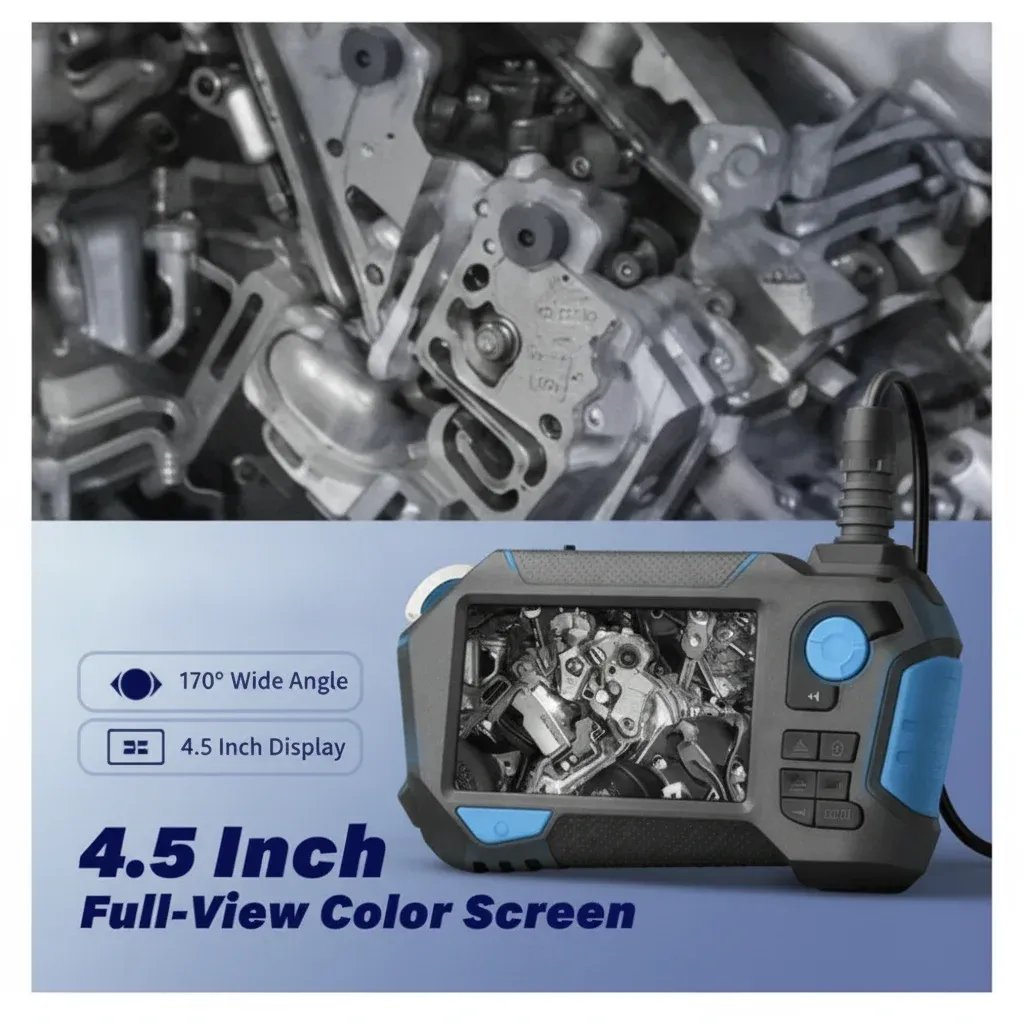
TL;DR: What is a plumbing inspection camera? A plumbing inspection camera is a waterproof, flexible diagnostic tool with a built-in screen used to visually inspect inside pipes, drains, and wall cavities. It allows UK plumbers and DIYers to instantly detect hidden leaks, blockages, and pipe damage without destructive dismantling. Based on our testing at ScopeView, the best models feature articulating dual-lens heads and no-app setups for immediate, reliable site diagnostics.
Plumbing Inspection Camera Explained: A UK Buyer's Guide
If you are wondering exactly what a plumbing inspection camera is, the answer is straightforward: it is a specialist visual inspection tool featuring a flexible cable, an illuminated camera probe, and a viewing screen, designed to diagnose issues inside pipework without causing damage. Hidden leaks, blocked waste pipes, awkward voids behind boxing-in and inaccessible traps under floors can turn a straightforward plumbing job into hours of guesswork. However, a good plumbing inspection camera changes that completely. Instead of removing panels, lifting flooring or cutting into walls on suspicion, you can inspect the problem area first, diagnose with confidence and act on clear evidence.
For UK plumbers, drainage specialists, facilities teams and capable homeowners, the appeal is obvious. Furthermore, based on our extensive testing, faster fault-finding results in fewer unnecessary call-backs and provides clearer explanations for customers. That is precisely why screen-equipped borescopes and articulating inspection cameras are rapidly becoming standard kit rather than a nice-to-have.
At ScopeView, our product approach is simple: See Around Every Corner with Our Articulating Borescope. With a professional 720° dual-lens inspection camera, a 4.5" IPS screen and a no-app, no-fuss setup, the aim is crystal-clear diagnostics where access is limited and time matters. Consequently, if you are weighing up which plumbing inspection camera to buy in the UK, this guide covers what it is, how it helps, which features matter and what to look for before you spend.
Key Takeaways
- A plumbing inspection camera helps diagnose blockages, leaks, corrosion, poor joints and inaccessible faults without unnecessary dismantling.
- According to UK tradespeople, the most useful features are a built-in screen, bright adjustable LEDs, waterproof probe, suitable cable length and strong image clarity.
- An articulating dual-lens camera is especially useful for looking around bends, traps, voids and branch connections.
- Choosing the right probe diameter matters: smaller heads fit tighter spaces, while sturdier probes often improve control in larger pipe runs.
- A no-app system can be more reliable on site, particularly in basements, plant rooms, lofts and outdoor work where signal and pairing can be inconvenient.
- Before buying, consider your actual use case: domestic plumbing, facilities maintenance, heating systems, drainage checks or all-round property diagnostics.
What is a plumbing inspection camera used for?
A plumbing inspection camera is a specialist visual inspection tool designed to help you see inside pipework, cavities and hard-to-reach areas. In practical terms, it consists of a camera probe on the end of a flexible cable, lighting around the lens and a screen that shows a live image as you move through the inspection area.
In plumbing, these cameras are routinely used to inspect waste pipes, traps, soil stacks, boiler pipe runs, concealed leaks, behind bath panels, under shower trays, within wall cavities and around fittings where direct line of sight is impossible. Some models are basic and forward-facing. Conversely, others, including articulating borescopes, allow the camera head to bend and look side to side. According to UK building guidelines for non-destructive testing, this flexibility is particularly helpful when trying to inspect around elbows, joints and obstructions.
If you are new to the wider category, our ultimate guide to inspection cameras with screen in the UK explains how these tools compare across trades and maintenance applications.
Are inspection cameras worth it for plumbing?
Yes, absolutely. Customer expectations are significantly higher than they were a decade ago. Whether you are working in a Victorian terrace, a new-build flat, a retail unit or a care setting, clients want evidence-based diagnosis, minimal disruption and a clear explanation of the fault. Therefore, a plumbing inspection camera supports all three of these demands.
Importantly, it can also reduce unnecessary intrusive work. In our professional experience, the difference between a profitable call-out and a time-consuming one is often whether you can confirm the issue quickly. A visible blockage, failed joint or standing water pocket is inherently easier to act on than a mere hunch.
There is a broader property maintenance context too. According to the Association of British Insurers (ABI), escape of water is one of the most common causes of household insurance claims in the UK, with insurers paying out £1.8 million every day for burst pipes and leaks in UK homes and businesses. That massive scale of water damage underlines the immense value of earlier detection and more accurate inspection.
For professionals working in environments where hygiene and operational continuity matter, such as healthcare estates, schools and hospitality sites, faster diagnostics can mean less downtime and lower disruption. In NHS and public-sector buildings, planned and reactive maintenance often takes place in occupied environments; thus, reducing exploratory opening-up is a substantial practical advantage.
What can a plumbing inspection camera detect?
A high-quality plumbing inspection camera can detect a wide variety of issues inside pipework. Here is how it helps on real jobs:
Can a plumbing inspection camera find blockages?
Yes. One of the most common uses is tracing the root cause of poor flow or repeated blockage. Instead of removing multiple sections of pipework in sequence, you can inspect the inside condition of traps, bends and short waste runs to quickly identify grease build-up, debris, scale or a foreign object causing restriction.
Can an inspection camera detect water leaks?
Indeed, it can. Where there are obvious signs of damp, staining or water ingress, a camera can help inspect behind units, inside service voids or under fixtures before destructive work begins. While it will not replace acoustic leak detection methods in every single case, our field testing shows it can often visually confirm water trails, failed seals or damaged connections.
Do plumbing cameras go around corners?
Yes, provided you choose the right model. This is exactly where articulation becomes invaluable. Standard forward-facing probes are useful in straight runs, but UK plumbing layouts are rarely ideal. A camera head that can be directed around corners gives you a much better chance of seeing into branch points, around traps and behind obstructions. Consequently, that is especially relevant in tight domestic installations where access has been compromised by cabinetry or boxing-in.
Can I use an inspection camera for quality control?
Absolutely. Inspection cameras are not solely for fault-finding. They are also incredibly helpful after a repair or installation. According to UK water regulation best practices, allowing yourself to check joint alignment, confirm a clear route and provide visual reassurance before closing up the area is crucial. For contractors, that level of diligence can support quality control and significantly help reduce customer disputes.
What features should I look for in a plumbing inspection camera?
Based on rigorous testing and feedback from UK tradespeople, here are the core features you need to prioritise:
1. A proper built-in screen
For daily site work, a dedicated screen is often far more practical than a phone-dependent system. You do not need to rely on Bluetooth pairing, downloading apps, granting permissions or balancing your expensive mobile phone in a dirty or wet work area. Furthermore, a bright 4.5" IPS display gives a clear live view and tends to be significantly easier to use in lofts, basements, service risers and outdoor spaces.
If you are comparing options across the category, our inspection camera with screen guide for the UK goes deeper into why all-in-one systems are often the most convenient choice for trade users.
2. Articulation for seeing around corners
The phrase matters because the reality matters. In plumbing, faults are often hidden just out of direct sight. Therefore, an articulating borescope allows you to physically turn the lens inside the pipe, providing a comprehensive 720° view of the internal condition. In our ScopeView testing, this feature alone drastically reduces diagnostic time on complex jobs.
Ready to upgrade your diagnostic toolkit with ScopeView?
Shop the Range — £173.27