Automotive Borescope Explained: A UK Buyer's Guide
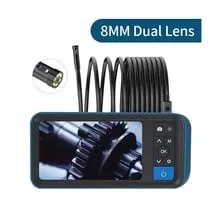
TL;DR: An automotive borescope is a slim inspection camera used to look inside engines, DPFs, chassis sections and other hard-to-reach vehicle areas without dismantling major parts. Based on our testing, the best automotive borescope for UK garages is one with a thin probe, strong LED lighting, articulation and a built-in IPS screen for fast, reliable fault-finding.
An automotive borescope is a vehicle inspection camera that helps mechanics and DIY motorists inspect cylinders, valves, piston crowns, DPFs and hidden corrosion points without stripping the car apart. In practice, it gives you direct visual evidence of faults that fault codes alone cannot show, so it is one of the most useful tools for faster, non-destructive diagnostics.
Diagnosing an internal engine fault used to demand hours of removing parts just to confirm a suspected burnt valve or carbon-stuck piston ring. However, for mechanics and serious DIY enthusiasts across the UK, an automotive borescope changes that process completely. It allows you to see deep into the combustion chamber, behind the dashboard and inside chassis rails without major disassembly, which saves time, reduces labour costs and keeps the workbench far less cluttered.
Likewise, modern engine bays are tightly packed, and diagnostic trouble codes from an OBD2 scanner only tell part of the story. A misfire code may point to cylinder three, yet it will not show scoring on the cylinder wall or oil tracking past a valve stem seal. Therefore, visual confirmation matters. This guide explains what an automotive borescope does, why it is useful in UK workshops and what features are worth prioritising when choosing one.
What should you know before buying an automotive borescope?
- Non-destructive diagnostics: An automotive borescope helps you inspect cylinders, valves, DPFs and hidden body cavities without dismantling major components.
- Articulation matters: Two-way or 720° articulating probes are especially useful for checking valve seats, cylinder walls and awkward angles inside engines.
- Built-in screens are easier in a garage: Standalone IPS displays avoid app issues, dropped connections and greasy phone screens.
- Useful for MOT preparation: You can spot hidden corrosion, emissions-related blockages and internal wear before they become expensive surprises.
What is an automotive borescope?
An automotive borescope is a specialised inspection camera designed for vehicle maintenance and fault diagnosis. Unlike generic endoscopes, these tools use narrow probes that can pass through spark plug holes, glow plug ports and sensor openings to show live images from inside an engine or other confined spaces.
At the tip of the probe is a micro-camera with adjustable LED lighting. This lets you capture real-time video or still images of internal components such as piston crowns, valves, cylinder walls and exhaust passages. As a result, you can confirm physical damage or carbon build-up before committing to repairs.
The automotive environment is demanding. Probes need to cope with engine oil, coolant residue and unburnt fuel while still delivering clear images in reflective metal chambers. Based on our testing, image clarity becomes especially important when you are trying to tell the difference between normal carbon deposits and serious issues such as cracks, heavy scoring or valve damage.
What is an automotive borescope used for?
An automotive borescope is used to inspect areas of a vehicle that are difficult or impossible to see directly without dismantling parts. For example, mechanics commonly use one to inspect inside cylinders through spark plug holes, check intake valves for carbon build-up, view turbo pipework and assess DPF or catalytic converter condition through sensor ports.
It is also useful beyond the engine bay. You can inspect behind dashboard panels, inside door cavities and within chassis legs or sills where corrosion may be forming out of sight. Consequently, an automotive borescope is valuable for both workshop diagnostics and pre-purchase vehicle inspections.
Why do UK garages use an automotive borescope?
UK garages rely on automotive borescopes because they save time while improving diagnostic accuracy. Instead of stripping down an engine based on suspicion alone, technicians can often verify faults first with visual evidence. That means fewer unnecessary teardowns and clearer repair recommendations for customers.
According to UK MOT trends published by the Driver and Vehicle Standards Agency (DVSA), many vehicles fail due to emissions issues or corrosion-related concerns. Therefore, being able to inspect DPF condition or hidden structural rust before test day can be genuinely useful for both professional garages and careful owners.
How can an automotive borescope help with emissions faults?
Modern petrol and diesel vehicles often suffer from soot build-up in EGR systems, intake tracts and DPFs, especially when they are driven on short stop-start journeys in towns and cities. By passing an automotive borescope through a suitable sensor opening, a mechanic can assess whether a filter core looks blocked or whether heavy deposits are restricting flow.
This visual check helps determine whether cleaning may be worthwhile or whether replacement is more realistic. In other words, it supports better decisions before spending money on parts unnecessarily.
Can an automotive borescope find rust inside sills or chassis sections?
Yes. British winters bring rain, standing water and road salt, all of which accelerate corrosion. Surface rust underneath a car may be visible on a lift; however, structural corrosion often develops inside box sections long before it becomes obvious externally.
An automotive borescope can be fed through factory access holes or drain points in sills and chassis sections to check internal metal condition. According to UK roadworthiness expectations around structural integrity at MOT time, spotting serious corrosion early can help prevent dangerous deterioration as well as costly welding later on.
What features matter most in an automotive borescope?
Not all inspection cameras are suitable for vehicle work. A basic USB camera may be acceptable for household tasks; however, engine diagnostics demand better control, durability and image quality. Based on our testing in typical workshop conditions, these are the features that make the biggest difference.
Do you need an articulating automotive borescope?
In many cases, yes. A straight-ahead camera works well when looking directly down a passage; however, important engine components often sit beside or behind the entry point. To inspect valve faces or look back towards valve seats from inside the combustion chamber, articulation is extremely helpful.
An articulating head allows the probe tip to bend via controls on the handset so you can sweep across cylinder walls and inspect awkward angles more effectively. If you regularly carry out internal engine checks, understanding the benefits of a 720 degree borescope is worthwhile.
Is a built-in screen better than using your phone?
For most garages and many DIY users, yes. Smartphone-connected units can work well in theory; however, in practice they often introduce app problems, pairing delays and battery drain at exactly the wrong moment. In addition, using your phone with oily gloves in a workshop is rarely convenient.
A dedicated unit with its own display offers simple plug-and-play operation instead. Choosing an inspection camera with a screen usually makes inspections quicker and more reliable in real-world garage conditions.
What probe size is best for an automotive borescope?
The best probe diameter depends on where you plan to use it; however, for general vehicle work a slim probe is essential. Many modern spark plug holes are tight enough that oversized camera heads become limiting very quickly.
A probe diameter around 5.5mm to 8.5mm is generally a practical range for automotive use because it balances access with image quality and lighting performance. Therefore, if your main goal is cylinder inspection rather than larger cavity work alone, slimmer tends to be better.
Why does screen quality matter on an automotive borescope?
The display matters because diagnostics often depend on small visual details such as oil wetting, fine cracks or uneven carbon patterns. Older LCD screens can wash out under strong workshop lighting or become difficult to view from different angles.
An IPS display offers better colour accuracy and wider viewing angles so images stay clearer under harsh garage lights. This also helps when showing customers exactly what has been found inside their vehicle.
How do you use an automotive borescope safely?
You should always allow hot components to cool where necessary before inserting any probe into the vehicle. Likewise, ensure the access point is suitable for inspection so that you do not force the camera into threads or narrow passages where it could snag.
For engine inspections through spark plug holes or glow plug openings:
- Remove the relevant component carefully using correct tools.
- Check that the probe diameter suits the opening.
- Lower the camera gently rather than pushing it abruptly.
- Use LED brightness adjustment to reduce glare from metal surfaces.
- Rotate or articulate slowly to inspect piston crowns, cylinder walls and valves methodically.
- Capture photos or video so findings can be reviewed later.
If you are inspecting body cavities or underbody sections instead of engines, clean away heavy debris first where possible. That way you reduce contamination on the lens and improve image quality during inspection.
Ready to upgrade your diagnostic toolkit with ScopeView?
Shop the Range — £173.27